
Winnebago RVs in 2026: Why This Iconic Brand Continues to Dominate the Road

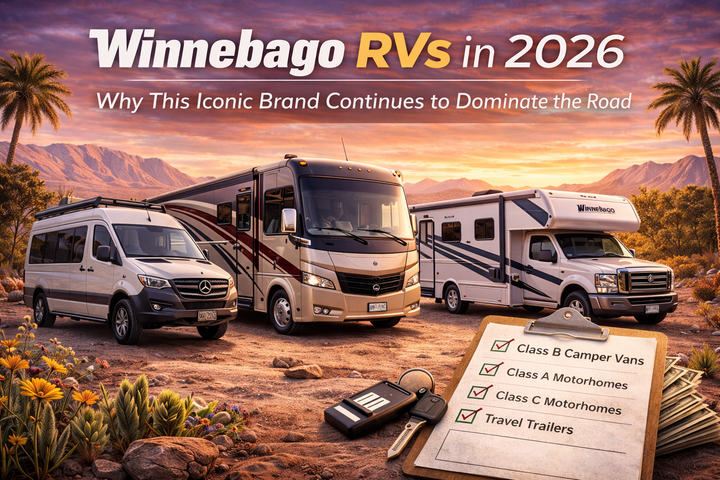
Few names in the RV industry carry the weight and recognition of Winnebago. For decades, Winnebago has been synonymous with American road travel, reliability, and accessible motorhome ownership. In 2026, that reputation remains intact — but the brand has also evolved to meet modern expectations around technology, mobility, and lifestyle flexibility.
If you’re researching Winnebago RVs for sale, comparing Winnebago models, or evaluating resale value, understanding where the brand stands today can help you make a smarter buying or selling decision.
The Legacy Behind Winnebago
Founded in 1958, Winnebago built its reputation by making motorhome travel more accessible to middle-class Americans. Over time, the brand became so recognizable that “Winnebago” was often used generically to describe motorhomes.
But brand recognition alone does not sustain search dominance in 2026. Winnebago continues to rank highly in buyer searches because it has adapted.
Today’s Winnebago lineup includes:
- Class A motorhomes
- Class C motorhomes
- Class B camper vans
- Towable travel trailers
This diversified offering keeps the brand visible across multiple buyer segments.
Winnebago Class B Vans: The Search Leader
One of the most searched Winnebago categories in 2026 is its Class B lineup. Models such as the Winnebago Revel and Winnebago Travato consistently generate strong online search volume.
These vans appeal to buyers seeking:
- Maneuverability
- Off-grid capability
- Compact footprint
- Modern interior design
The Revel, in particular, has gained popularity among adventure-focused buyers who value 4x4 capability and overlanding features. The Travato remains popular for those prioritizing efficient road travel and practical floorplans.
Class B buyers often conduct extensive research before purchasing. They compare battery systems, solar capacity, water storage, and sleeping configuration. For sellers, this means detailed listing transparency matters significantly when marketing a used Winnebago van.
The Enduring Popularity of the Minnie Winnie
The Winnebago Minnie Winnie remains one of the most searched Class C motorhomes nationwide. It occupies a sweet spot between drivability and interior space.
Buyers gravitate toward the Minnie Winnie because it offers:
- Manageable length
- Over-cab sleeping
- Strong brand reputation
- Familiar Ford chassis reliability
For families and first-time motorhome buyers, this model continues to perform well in both new and used markets.
From a resale perspective, well-maintained Minnie Winnie units often maintain strong demand due to brand familiarity and broad buyer appeal.
Winnebago Class A Motorhomes
In the Class A segment, Winnebago competes with brands such as Tiffin and Fleetwood. Buyers searching for Winnebago Class A motorhomes typically evaluate interior build quality, storage, slide configuration, and drivetrain reliability.
These units appeal to full-time travelers and long-haul road trip enthusiasts. Because of the higher purchase price, buyers in this category expect highly detailed listings, strong maintenance records, and comprehensive photo documentation.
Listings that lack transparency in this segment often struggle to maintain price leverage.
Winnebago Travel Trailers and Towables
Winnebago has also expanded into towable RVs, including travel trailers that compete in mid-range price bands.
Buyers searching for Winnebago travel trailers typically value:
- Brand recognition
- Quality control
- Balanced price-to-feature ratio
Travel trailers often attract first-time buyers or families looking to upgrade from smaller campers.
Because this segment is more price-sensitive, sellers benefit from competitive pricing and clear feature breakdowns.
Why Winnebago Holds Resale Strength
Brand reputation influences resale value.
Winnebago’s long-standing presence in the RV industry contributes to buyer confidence. When buyers see the Winnebago name in a listing, it often carries built-in trust.
However, resale strength still depends on:
- Mileage (for motorized units)
- Maintenance history
- Storage conditions
- Market timing
- Pricing alignment
A well-presented Winnebago listing priced according to national comparables often performs better than lesser-known brands in similar categories.
Where Buyers Search for Winnebago RVs
Buyers researching Winnebago RVs often search across multiple platforms, including:
RV Trader
Facebook Marketplace
However, search behavior in 2026 frequently expands nationwide. Buyers compare similar models across state lines before contacting sellers.
Modern RV-focused marketplaces such as Truervs aim to align structured filtering with brand-specific searches, helping buyers locate relevant Winnebago inventory more efficiently.
The ability to filter by model, length, and price reduces clutter and improves listing visibility for sellers.
Tips for Selling a Winnebago in 2026
If you’re selling a Winnebago RV, consider the following strategic points:
First, highlight brand history. Buyers value established names.
Second, emphasize maintenance transparency. Winnebago buyers tend to research carefully.
Third, include high-quality photos that showcase interior craftsmanship.
Fourth, price based on national comparables rather than local assumptions.
Finally, respond quickly to inquiries. Brand-driven buyers often compare multiple listings simultaneously.
Final Thoughts: The Winnebago Advantage
In 2026, Winnebago remains one of the most recognized and searched RV brands in America. Its diversified lineup — spanning Class B vans to Class A motorhomes — keeps it relevant across multiple buyer segments.
For buyers, Winnebago offers familiarity and long-standing reputation. For sellers, the brand provides built-in search visibility and resale confidence when positioned correctly.
As the RV marketplace continues shifting toward digital transparency and national exposure, brand strength alone is not enough. Presentation, pricing, and marketplace alignment determine final outcomes.
Winnebago may carry the name recognition.
But strategy determines the result.