
How to Sell Your RV Fast in 2026 — The Complete Guide for Private Sellers

The RV market in 2026 is a different landscape than what most people are used to. Whether you bought your RV during the pandemic boom or you have had it for years and are ready to move on to something new, selling your RV as a private party can feel overwhelming if you do not know where to start. The good news is that selling your RV privately almost always puts more money in your pocket than trading it in at a dealership. The bad news is that most people go about it the wrong way and end up with their RV sitting for months with little to no interest. This guide is going to walk you through everything you need to know to sell your RV fast, get the most money possible, and avoid the common mistakes that cost private sellers thousands of dollars every single year. If you follow these steps, you will be in a much better position than the majority of sellers out there who are just winging it and hoping for the best.
The first and most important step in selling your RV is pricing it correctly from day one. This is where most private sellers go wrong. They look at what they paid for their RV, they think about all the upgrades they have done, and they come up with a number that makes them feel good but has nothing to do with what the market is actually willing to pay. The truth is that RVs depreciate significantly, especially in the first few years of ownership. What you paid for your RV two or three years ago is not what it is worth today and the sooner you accept that the faster your RV will sell. The best way to determine your RV's actual market value is to research comparable listings and recently sold units. Check NADA guides for a baseline value, then look at what similar RVs are listed for on marketplaces like TrueRVs. Pay attention to the year, make, model, mileage, and condition of comparable units. If your RV is priced significantly higher than similar units on the market, buyers are going to scroll right past your listing without a second thought. Pricing your RV competitively from the start generates more interest, more inquiries, and ultimately leads to a faster sale at a better price than overpricing it and slowly dropping the price over weeks or months.
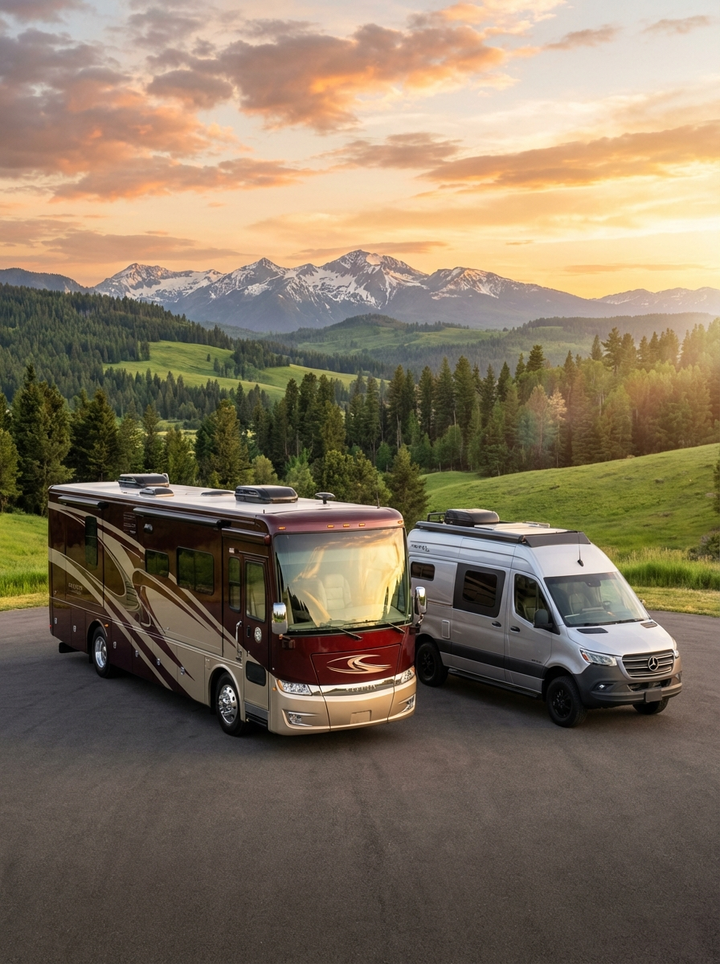
Once you have your price dialed in, the next most important thing is your listing photos. In today's market, buyers are scrolling through dozens if not hundreds of RV listings online before they ever pick up the phone or send a message. Your photos are your first impression and in most cases your only chance to grab a buyer's attention. If your photos are dark, blurry, cluttered, or only show a few angles of the RV, buyers are going to assume the worst and move on. Before you take a single photo, spend a full day cleaning your RV inside and out. Wash the exterior, clean the wheels and tires, wipe down every surface inside, declutter all personal items, make the bed, and open all the blinds to let natural light in. When you are ready to shoot, take photos during the golden hour which is the hour after sunrise or before sunset when the light is warm and flattering. Take at least 20 to 30 photos covering every angle of the exterior, every room inside, the cockpit or cab area, the bathroom, the kitchen, storage compartments, the roof if it is in good condition, and any upgrades or special features. Your first photo is the most important one because that is what shows up in search results and that is what determines whether a buyer clicks on your listing or keeps scrolling. Make your first photo a wide exterior shot that shows the entire RV in good lighting with a clean background.
Your listing description is the next piece of the puzzle and this is another area where most private sellers drop the ball. Too many people write a few sentences listing basic specs and call it a day. That is not going to cut it in a competitive market. Your description needs to do two things. First, it needs to provide all the essential information a buyer is looking for so they do not have to ask basic questions. This includes the year, make, model, length, weight, sleeping capacity, number of slide outs, mileage or hours, tow vehicle requirements if applicable, and a list of features and amenities. Second, your description needs to sell the experience. Tell potential buyers what it is like to own this RV. Talk about where you have taken it, how it handles on the road, what your favorite features are, and why someone is going to love owning it. Be honest about any flaws or issues because buyers respect transparency and it builds trust. If there is a small scratch on the exterior or a minor cosmetic issue, mention it upfront. Buyers are far more likely to trust a seller who is upfront about imperfections than one who tries to hide everything and hope nobody notices. A detailed, honest, and well-written listing stands out from the competition and gives buyers the confidence to reach out.
Choosing where to list your RV is just as important as how you list it. A lot of private sellers default to Facebook Marketplace or Craigslist because they are free and familiar. The problem is that those platforms are not built for RV sales. Your listing gets buried within hours, you are competing with everything from used furniture to random household items, and the quality of inquiries is typically very low. You end up dealing with lowballers, scammers, and people who are not serious about buying. A dedicated RV marketplace like TrueRVs is purpose-built to connect serious RV buyers with sellers. When someone is browsing TrueRVs, they are there for one reason and that is to find an RV. That means the people seeing your listing are already motivated and further along in the buying process. Your listing gets the visibility it deserves in front of the right audience, which translates to higher quality leads and a faster sale. The fastest growing RV marketplace in the industry, TrueRVs is where smart sellers are listing their RVs in 2026 and the results speak for themselves.
Once your listing is live, your responsiveness as a seller can make or break the deal. When a potential buyer reaches out, you need to respond as quickly as possible. In today's market, buyers are often looking at multiple RVs at the same time and the first seller to respond is often the one who gets the deal. If someone sends you a message or calls you about your RV and you wait 24 hours to get back to them, there is a very good chance they have already moved on to another listing. Aim to respond within an hour during waking hours. Be friendly, be helpful, and be willing to answer questions thoroughly. If a buyer wants to schedule a time to come see the RV, be flexible and accommodating. The easier you make the process for the buyer, the more likely they are to follow through with the purchase. Selling your RV as a private party does take some effort, but when you price it right, present it well, list it on the right platform, and respond quickly to inquiries, you can sell your RV fast and put significantly more money in your pocket than you would with a dealer trade-in. Head over to TrueRVs today and get your listing started.