
First Time RV Buyer Guide — Everything You Need to Know Before You Buy in 2026

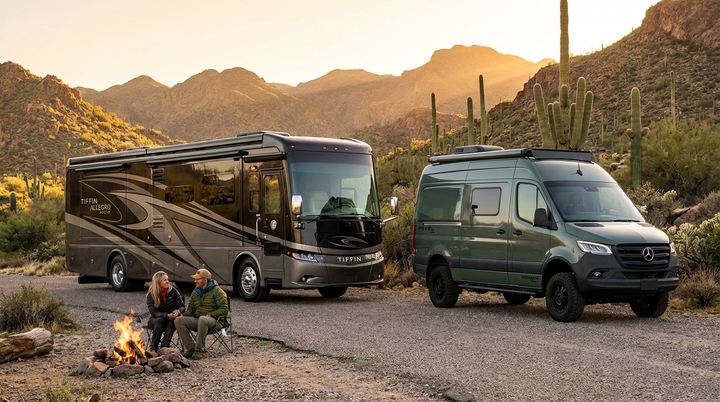
Buying your first RV is one of the most exciting decisions you will ever make. The idea of hitting the open road, exploring national parks, waking up next to a lake, and having the freedom to travel on your own terms is incredibly appealing. But buying an RV is also a major financial decision and if you go into it without doing your homework, you can end up with the wrong RV, the wrong deal, or a long list of unexpected costs that take the fun out of the whole experience. This guide is designed specifically for first time RV buyers who want to make a smart, informed purchase. Whether you are looking at travel trailers, fifth wheels, motorhomes, or camper vans, this article will walk you through everything you need to know before you spend a single dollar so you can buy with confidence and start making memories from day one.
The very first thing you need to figure out before you start shopping is how you plan to use your RV. This might sound obvious but it is the single most important question that most first time buyers skip right over. They see a beautiful Class A motorhome on Instagram or a gorgeous fifth wheel on YouTube and they fall in love with the idea before they think about the practicality. How you plan to use your RV determines what type of RV you should buy, what size makes sense, and what features you actually need. Are you going to be a weekend warrior who takes the RV out a few times a month to local campgrounds? Are you planning extended road trips across the country a few times a year? Or are you considering full time RV living where the RV becomes your primary residence? Each of these use cases calls for a very different RV. A weekend warrior might be perfectly happy with a lightweight travel trailer or a popup camper that is easy to tow and easy to store. Someone taking extended trips might want a mid-size fifth wheel or a Class C motorhome with more living space and amenities. A full timer needs something built for everyday living with residential features, ample storage, and durable construction. If you buy an RV that does not match how you actually plan to use it, you are going to be disappointed no matter how nice it looks on paper.
Once you know how you plan to use your RV, the next step is setting a realistic budget. And when we say budget, we do not just mean the purchase price of the RV. First time buyers almost always underestimate the total cost of RV ownership because they only think about the sticker price. The reality is that owning an RV comes with a long list of additional costs that you need to factor in before you commit. These include RV insurance which can range from a few hundred to several thousand dollars per year depending on the type and value of the RV. You need to budget for registration and taxes which vary by state but can be significant especially on higher value units. If you do not have space to park your RV at home, you will need to pay for storage which can range from $50 to $300 or more per month depending on your area and whether you choose outdoor, covered, or indoor storage. Maintenance is another ongoing cost that catches first time buyers off guard. RVs require regular maintenance including roof inspections and resealing, tire replacement, battery maintenance, winterizing if you live in a cold climate, and general upkeep of all the systems including plumbing, electrical, propane, and HVAC. Campground fees are another cost to consider. While some public lands offer free or very cheap camping, many popular campgrounds and RV parks charge anywhere from $30 to $100 or more per night. Fuel is also a major consideration especially if you are buying a motorhome or towing a heavy trailer. A good rule of thumb is to budget at least 20 to 30 percent on top of the purchase price for first year ownership costs so you are not caught off guard.
Now let us talk about the different types of RVs because this is where a lot of first time buyers get confused. The RV world is broken down into two main categories which are towable RVs and motorized RVs. Towable RVs include travel trailers, fifth wheels, popup campers, toy haulers, and truck campers. These require a separate tow vehicle to pull them which means you also need to make sure your truck or SUV has the towing capacity to safely handle the weight of the trailer. This is critically important and something you should never guess on. Check your vehicle's towing capacity in the owner's manual and compare it to the gross vehicle weight rating of any trailer you are considering. Always leave a margin of safety and never max out your tow vehicle's capacity. Motorized RVs include Class A motorhomes which are the large bus-style units, Class B motorhomes which are camper vans, and Class C motorhomes which are the mid-size units built on a truck or van chassis. Motorized RVs are self-contained and do not require a separate tow vehicle, but they are generally more expensive to purchase and maintain. Each type has its own pros and cons and the right choice depends entirely on your use case, budget, tow vehicle situation, and personal preferences.
When it comes to actually shopping for your first RV, the smartest thing you can do is take your time and do your research online before you ever set foot on a dealer lot or meet a private seller. Browse listings on TrueRVs to get a feel for what is available in your price range. Pay attention to the different makes and models that come up in your searches and start reading reviews and owner forums for the ones that interest you. RV owner communities are incredibly helpful and honest about the pros and cons of different brands and models. You will learn very quickly which manufacturers have a reputation for quality construction and which ones are known for cutting corners. Some of the things you want to research include build quality, customer service reputation, warranty coverage, common issues reported by owners, and resale value. A little bit of research now can save you thousands of dollars and a lot of headaches down the road.
Whether you decide to buy from a dealer or a private seller, there are certain things you absolutely must do before you hand over any money. First, always see the RV in person. Never buy an RV sight unseen no matter how good the deal seems. Photos can hide a lot of issues and you need to physically inspect the unit yourself. When you go to see the RV, bring a checklist and go through it systematically. Check the roof for soft spots, cracks, or signs of leaking. Look at all the seams and seals around windows, doors, and slide outs. Check for water damage inside by looking for stains on the ceiling and walls, soft spots in the floor, and any musty or moldy smells. Test every single system including the air conditioning, heating, water heater, refrigerator, stove, microwave, all lights, all outlets, the water pump, and the toilet. Operate all slide outs and the leveling system if equipped. Check the tires for age and condition because tires older than five to six years should be replaced regardless of tread depth. If you are not confident in your ability to inspect an RV yourself, hire a professional RV inspector. It will cost you a few hundred dollars but it could save you from buying a unit with thousands of dollars in hidden problems.
The RV buying experience in 2026 has been transformed by online marketplaces that make it easier than ever to find the perfect unit. TrueRVs has quickly become the fastest growing RV marketplace in the industry by focusing on what matters most to buyers which is a clean, easy to use platform with quality listings from both dealers and private sellers. Whether you are looking for a brand new fifth wheel or a used camper van, TrueRVs gives you the tools to search by type, price, year, location, and features so you can find exactly what you are looking for without wasting time scrolling through irrelevant results. As a first time buyer, having access to a dedicated RV marketplace where every listing is an actual RV and every seller is there to make a deal makes the buying process significantly less stressful and more enjoyable. Take your time, do your research, set your budget, and when you are ready to start shopping head over to TrueRVs and find the RV that is going to change your life.